IKYTA Library

Yogic Teachings

Latest Articles

44 results

10 Ways to Keep your Liver Happy

By Sukhpran Khalsa

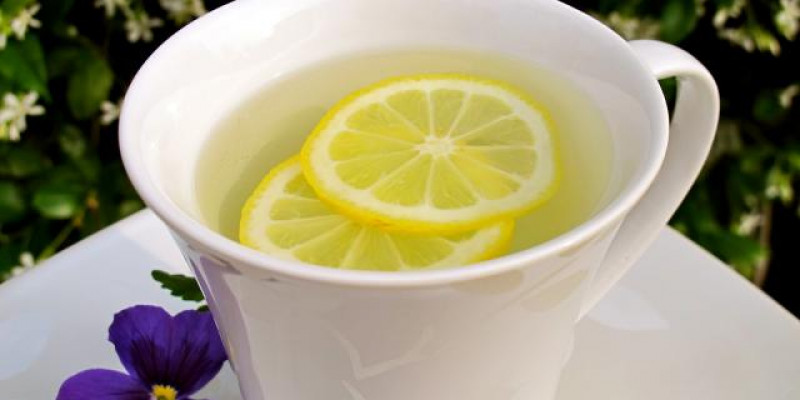
By Siri Kirin/Kathe Forrest According to Traditional Chinese Medicine, spring is the season of the liver. Imagine spring as a sort of “awakening” for the liver—a time when it becomes more active, working hard to clean out a winter’s worth of congestion. It’s a good time to give it some extra support. Your liver works hard to keep metabolic processes running smoothly and your body free of harmful toxins. Take some time this spring to give it a little extra love and support. 10 ways you can keep your liver happy every day: 1. Start your morning off with warm…

Love is Love

By Sukhpran Khalsa

Love is Love. There’s no condition. There’s no lack. There’s nothing to find and there’s certainly nothing to take. Love can only be received—and given—from the fullness of the liberated heart. Free yourself from ego, give your head, so that you can know love and share that love with all. Transformation in the game of love requires a complete reorientation to the rules of the game. In order to truly experience love and union, we must begin by playing with a new rule book. In the West, we have been trained to look for that one person—our soul mate—who can…

Kundalini Yoga and the Stress Response

By Dr. Shanti Shanti Kaur Khalsa

  The simplest description for stress I have ever heard is from Hans Selye, the Canadian physician, who first borrowed the word from engineering and applied it to a physiological process he observed in his patients. He described stress as simply the body’s adaptation to change. It is how we respond whenever an internal or external event occurs. Change can be as simple as a shift in room temperature or as destabilizing as losing one’s job. Since change happens nearly every instant, we have a stress response nearly every instant. Stress is natural and necessary. Over time, we create our…

Kundalini Yoga for Disabilities

By Sukhpran Khalsa

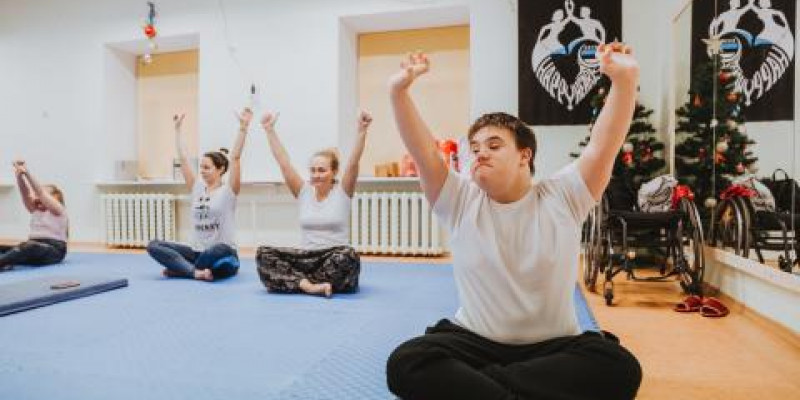
By Vladislav Loginov, Estonia My main students are teenagers, kids, and youth with physical and psychological disabilities and their parents. I teach at the studio and on-line. Young people with disabilities who practice Kundalini Yoga regularly over the years show excellent results in their development. One of them is Matvey Smirnov www.beu-fund.com/matvey-smirnov  Matvey has been practicing Kundalini Yoga for 2.5 years. He is 17 now. He was diagnosed with Down's syndrome. Matvey could not crawl, sit or talk for a while. His physiatrist said “as if there were no muscles in his body.” Nevertheless, he was on his feet when he…

The Trinity Roots: 6 Potent Recipes for Keeping Up!

By Sukhpran Khalsa

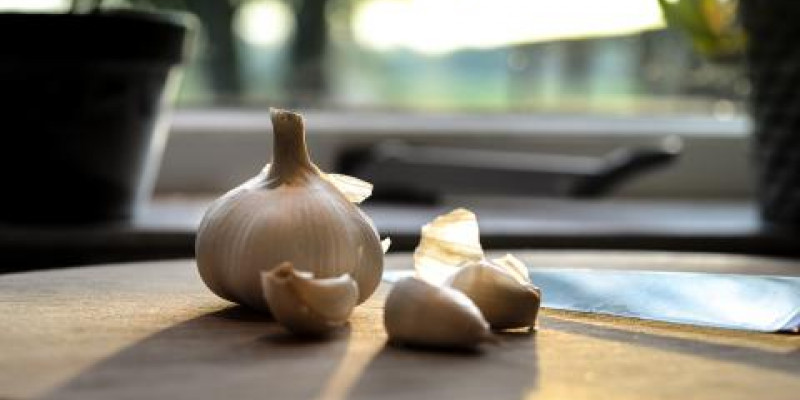
Recipes for Healing with Onions, Garlic, and Ginger Root By Sat Jivan Kaur It was taught that onions, garlic, and ginger would help us stay healthy, detoxify our internal organs, feed our glandular system, regenerate our creative and sexual energy, stimulate our immune system, and help clean and rebuild our brain function and entire nervous system. At Guru Ram Das Ashram in Brooklyn we took this advice seriously and embarked on a devoted path of eating at least one bulb of garlic, one whole onion, and three inches of ginger for each person in the ashram each and every day!…

Teaching Trauma-Sensitive Kundalini Yoga

By Sukhpran Khalsa

By Navneet Kaur As Kundalini Yoga Teachers we far too often meet students in our classes who have experienced some sort of traumatic event or who are struggling as a result of some past trauma. Most people who experience a traumatic event experience some difficulties following the event but recover. A small percentage will develop Post Traumatic Stress Disorder or PTSD. Challenges for people with PTSD might include flashbacks, a persistent need to avoid thoughts or feelings related to the trauma; distorted thinking that might include excessive self-blame or blaming others; and difficulties with arousal or reactivity. The impact of…

Overcoming Cold Depression

By Sukhpran Khalsa

Cold Depression is our single biggest challenge as we enter the Aquarian Age. It affects vitality of spirit and leads us to behave in ways we would not otherwise. As we transition into the Aquarian Age through 2038, it is said that humanity will suffer from a phenomenon called Cold Depression. What is Cold Depression? Cold Depression is when the external demand is greater than the internal capacity to deliver and we have spent our reserves. We are depressed but we are so numb and insensitive to our own self, we do not feel it. The depression is, therefore “cold.” This leads us…

The Eight Major Chakras

By Sukhpran Khalsa

The Lower Triangle The first three chakras deal with the physical needs of the body and the basic needs of life. They focus on elimination and reduction. First Chakra: Security and Survival Foundation, survival, security, habit, self-acceptance. Location: End of the spine between the anus and sexual organs. Organ/Gland: Organs of elimination (e.g., colon). Color, Element: Red, Earth. Yoga Exercises: Crow Pose, Chair Pose, Body Drops,Frog Pose, Front Stretches, Lying on Stomach, Root Lock. Second Chakra: Creativity To feel, to desire, to create. Location: Sex organs. Organ/Gland: Sex organs, reproductive glands, kidneys, bladder. Color, Element: Orange, Water. Yoga Exercises: Frog…